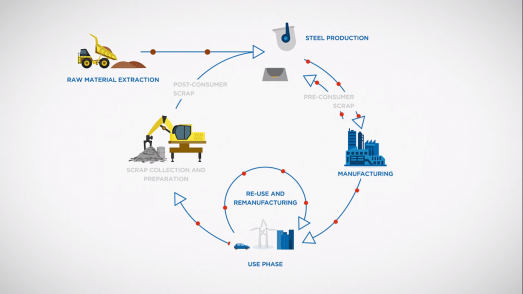
Steel production is an energy-intensive process using raw materials that must be mined and/or processed before being made into steel. Steel production itself, whilst also creating emissions, also creates by-products of various kinds which can be used in other products, or that must be treated in order to avoid harming the environment. Steel production also involves the use of various chemicals or other metals to give various properties to the steel itself.
Because of the complexity of the production process and the ramifications of the sector on the European economy and the environment, EUROFER works intensively on environmental issues, including in the circular economy, recycling, water and air quality, waste management, products policy, chemicals policy, raw materials and lifecycle assessment. Information about each of these areas can be found here.
EUROFER’s Annual Report 2026 sets out the key economic trends, policy developments and challenges shaping the future of the European steel industry today.
Production falls to record low despite recovery in demand
The new Waste Shipment Regulation entered into force on 20 May 2024, with most of its provisions—including critical operational requirements—set to apply from 21 May 2026.
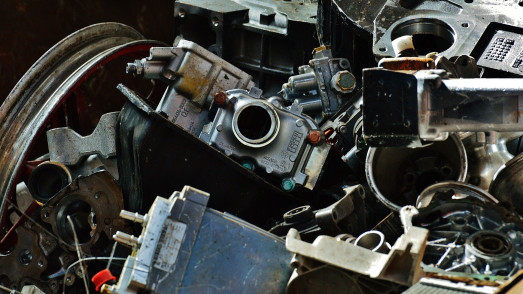
Steel is 100% recyclable – a permanent material that underpins the economy, but also contributes to environmental goals by reducing the use of virgin raw materials and CO2 emissions.
EU products policy is an enabler to help deliver on ambitious climate goals and on aims to reduce raw material use and improve recycling rates and outcomes.
The European Steel Association (EUROFER)
172 Avenue de Cortenbergh
1000 Brussels
Belgium
Email: mail@eurofer.eu
Phone: +32 (0) 2 738 79 20