Issues » Environment » Industrial emissions
Industrial emissions
Downloads and links
Recent content
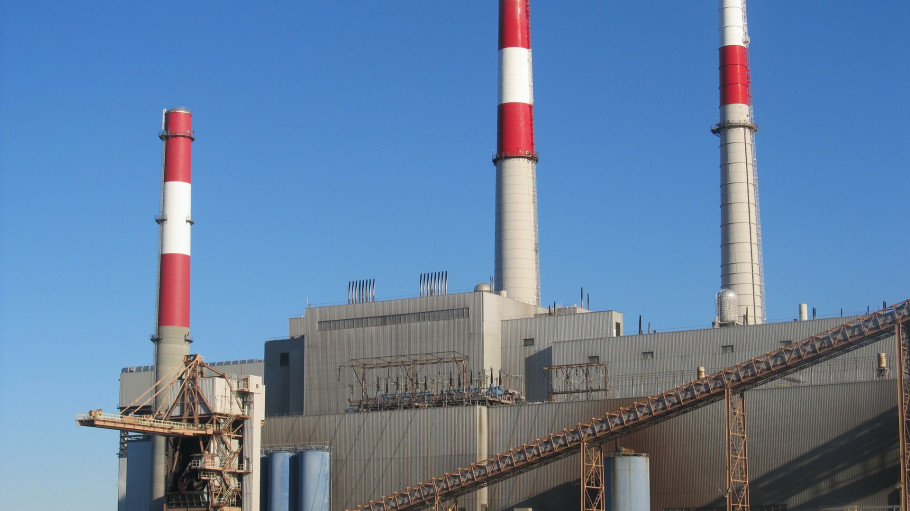
The European steel industry is the cleanest of its kind in the world, with a long and successful record of environmental innovation to ensure that its operations affect the environment as minimally as possible. This is an ongoing effort, one that the whole sector works to constantly improve on.
In EU usage, the term 'Industrial emissions' is not a reference to greenhouse gases like CO2. Rather, it describes other key pollutants - such as nitrogen and sulphur oxides, carbon monoxide and particulates.
The size and share of industrial emissions from industrial installations has been a long term concern, and there is a long history of legislation controlling it, all with the objective of reducing pollution. The European Union has had environmental pollutant legislation on the statute since at least the late 1970s.
This legislation is constantly updated in line with the evolving need to protect the environment. This is especially the case at EU level, with the following main pieces of legislation of essence for the European steel industry:
New global reality requires disruptive thinking and innovative measures
The Commission proposal for the revised Industrial Emissions Directive (IED) risks
slowing the green transition, hampering innovation and complicating permit processes
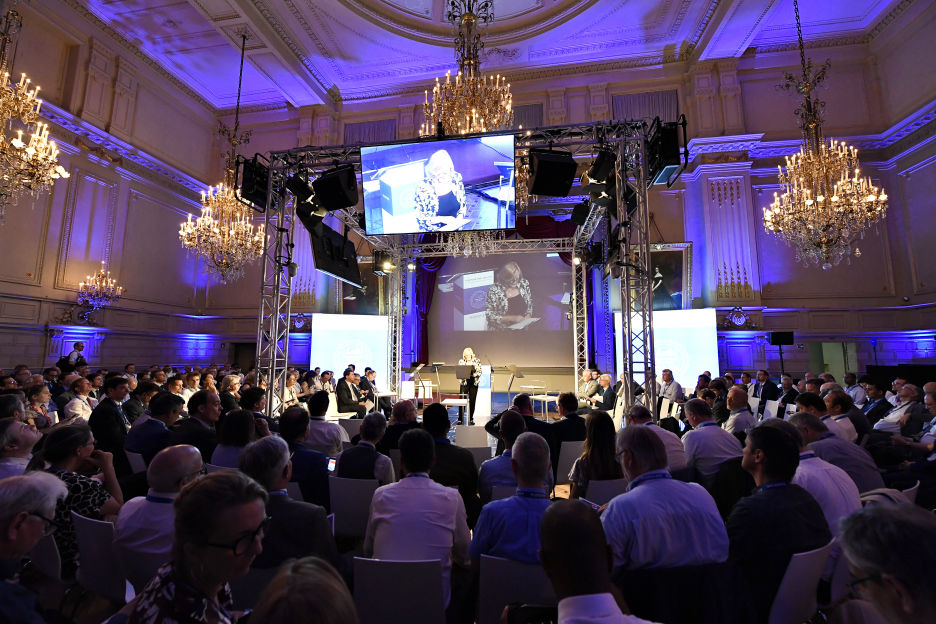
Neutrality towards technology choices, acknowledgment of transition timing and framework conditions needed as well as consistency with EU climate legislation are key factors for success, EUROFER webinar points out
The European Steel Association (EUROFER)
172 Avenue de Cortenbergh
1000 Brussels
Belgium
Email: mail@eurofer.eu
Phone: +32 (0) 2 738 79 20